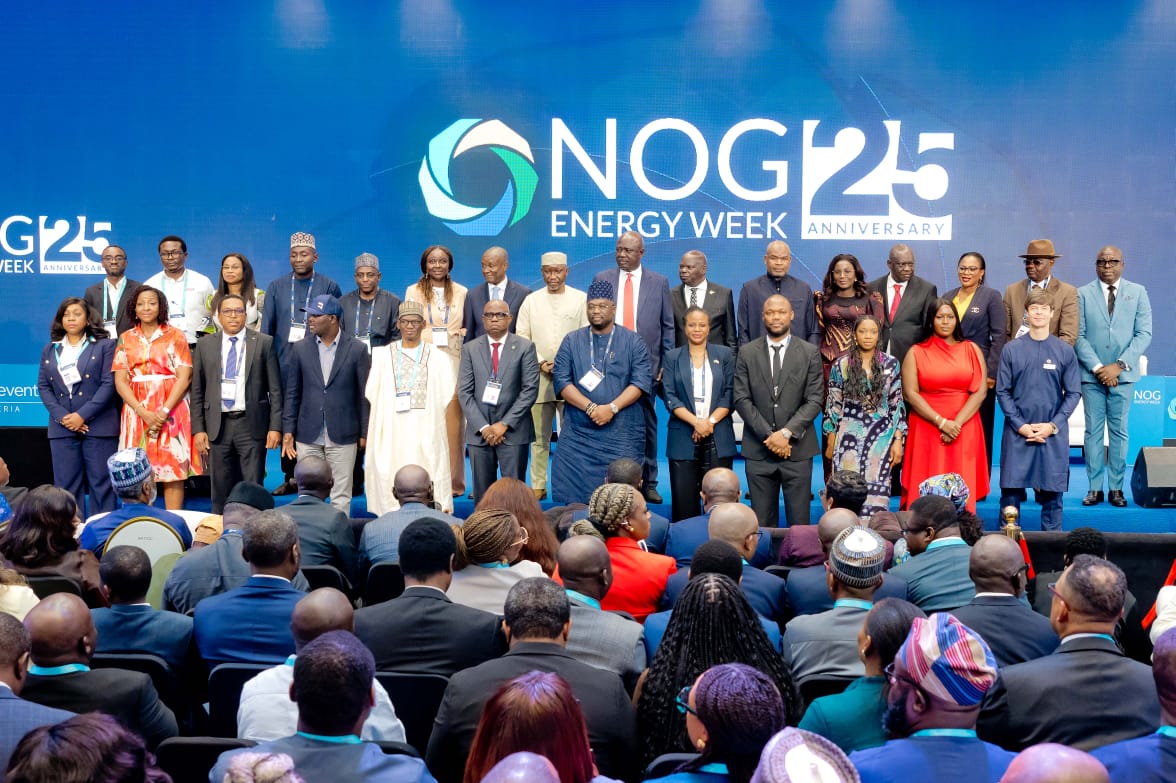
NOG Energy Week 2026 concludes with over $4.5 billion investment commitments, strategic partnerships, and a renewed drive for Nigeria’s energy future
Abuja, Nigeria | July 2026
The 25th edition of NOG Energy Week 2026 Conference & Exhibition has successfully concluded in Abuja, reinforcing Nigeria’s position as Africa’s leading energy investment destination and one of the continent’s most influential platforms for policy dialogue, commercial partnerships, and technological innovation.
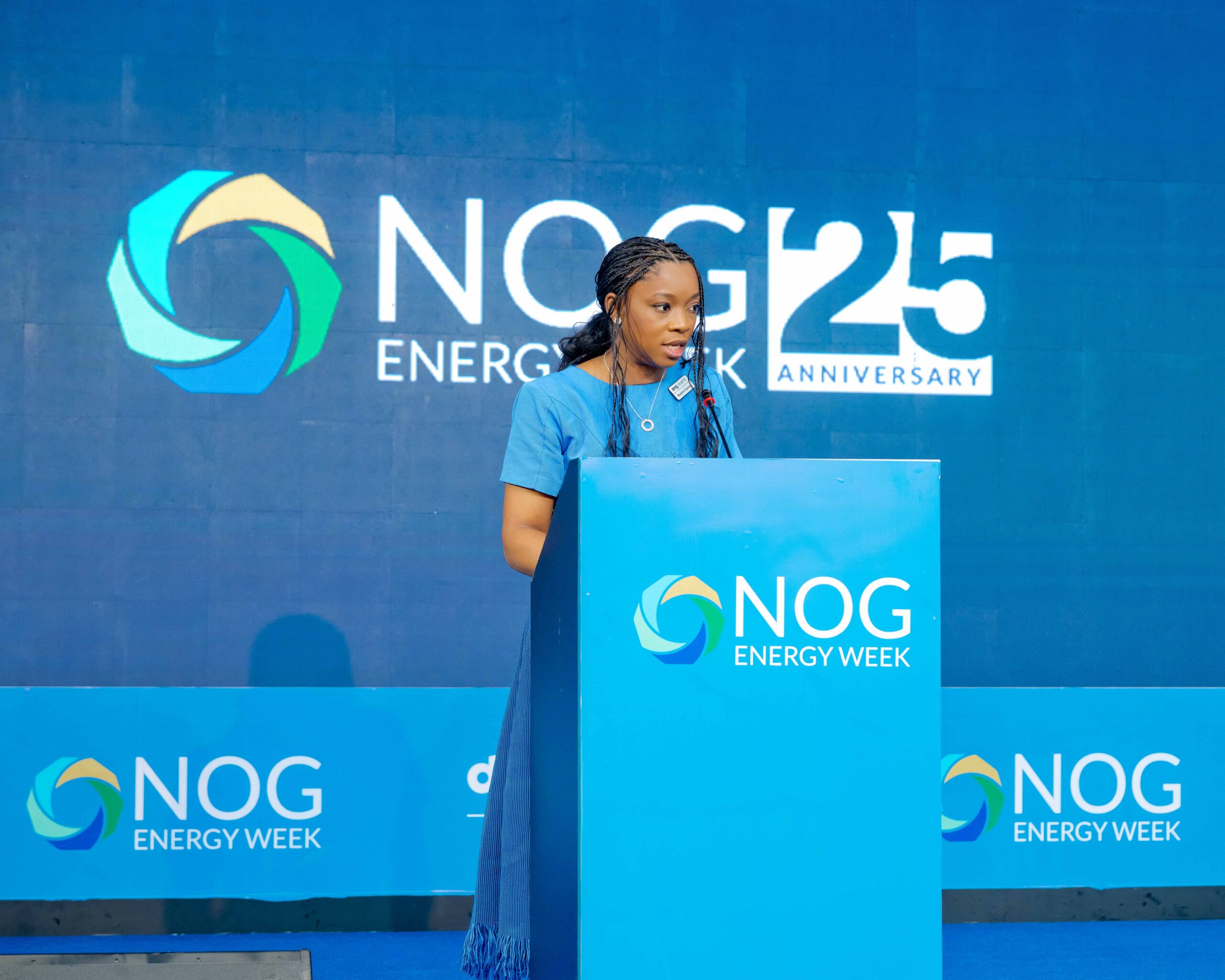
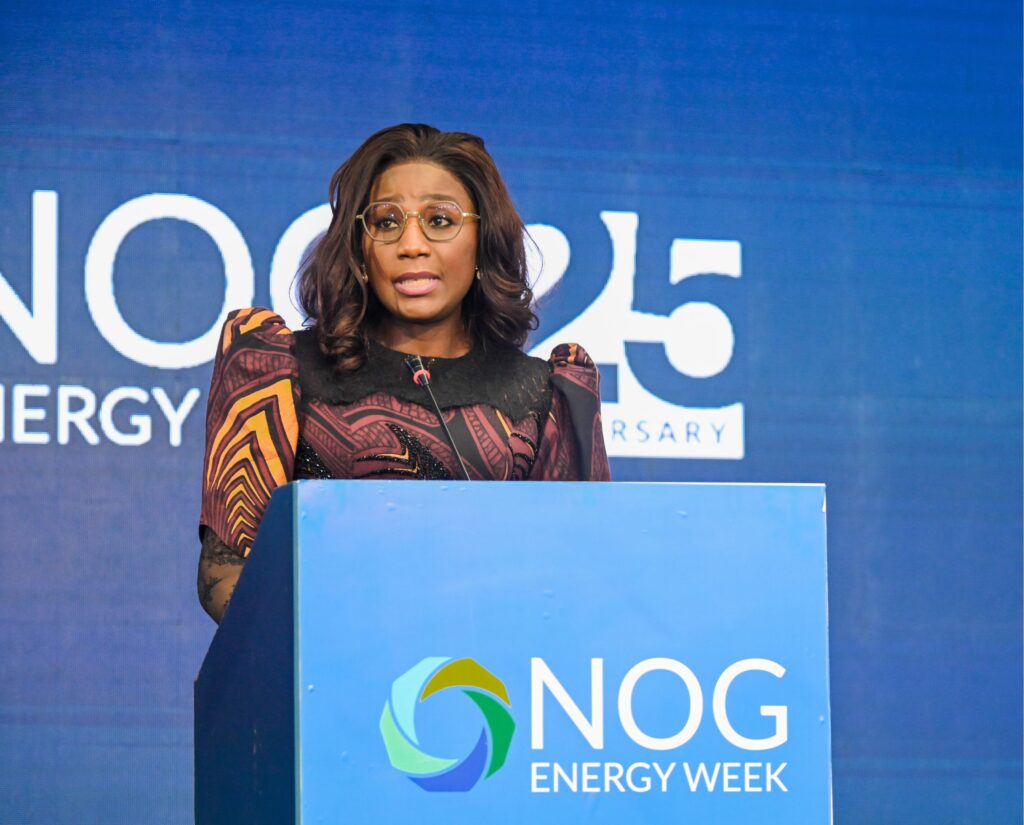
NOG Energy Week 2026 commenced with a high-level opening ceremony that set a strategic and optimistic tone for the conference. Delivering the welcome address, Mrs. Wemimo Oyelana, Country Director of DMG Events Africa, warmly welcomed delegates, exhibitors, government representatives, industry leaders, investors, and international partners to the landmark 25th edition of NOG Energy Week.
Held at the Bola Ahmed Tinubu International Conference Centre, Abuja, the week-long gathering brought together senior government officials, global energy executives, regulators, investors, technology providers, indigenous operators, and international development partners to deliberate on the future of Nigeria’s oil, gas, and broader energy landscape. The conference featured strategic policy sessions, technical seminars, a major international exhibition, Nigerian content engagements, investment announcements, and the prestigious NOG Energy Awards. Industry reports indicated that the event concluded with investment commitments and commercial agreements exceeding US$4.5 billion, underscoring strong investor confidence in Nigeria’s energy sector.
A landmark year for investment and industry confidence
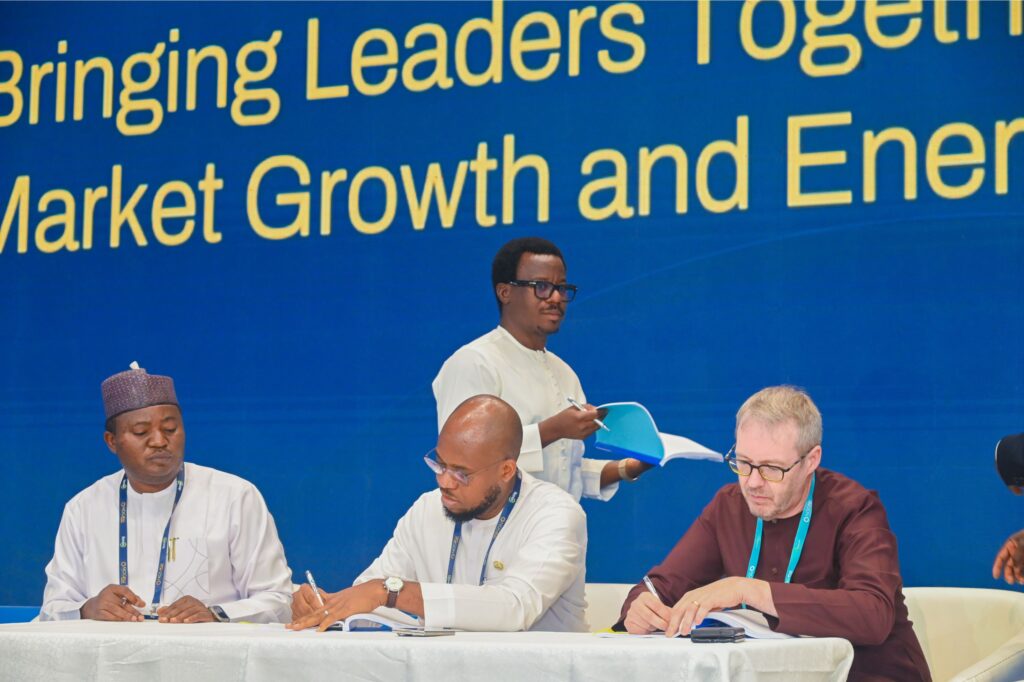
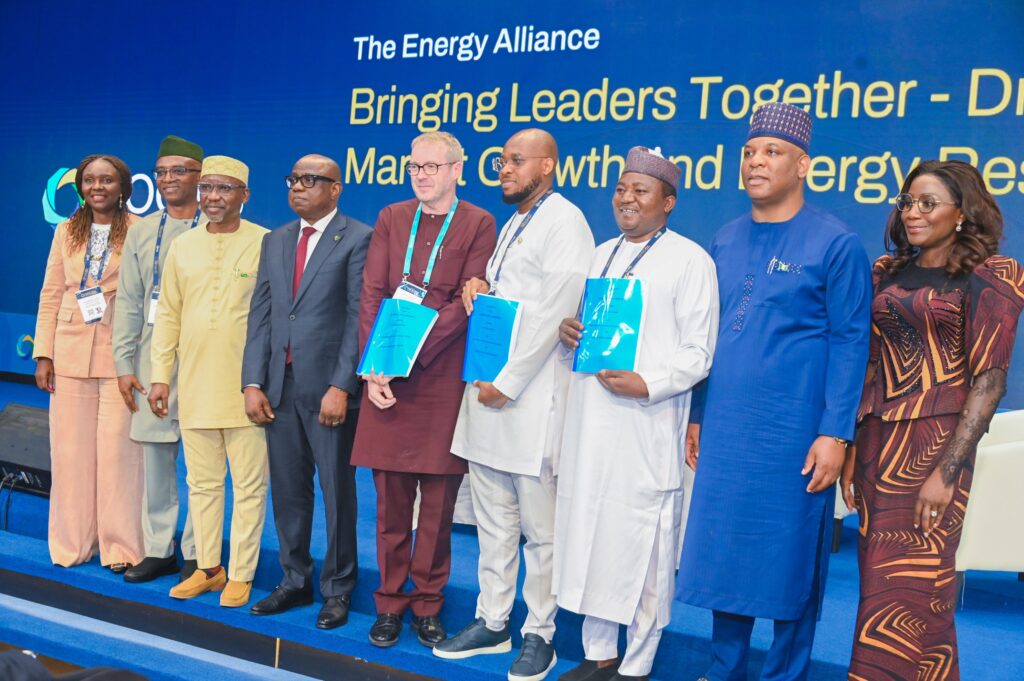
The most significant outcome of NOG Energy Week 2026 was the announcement and signing of multiple investment and commercial agreements valued at over US$4.5 billion across upstream, midstream, gas infrastructure, energy services, and technology segments.
These commitments are expected to accelerate production growth, strengthen gas commercialization, expand infrastructure development, create employment opportunities, and deepen local participation in the Nigerian energy value chain.
Industry leaders described the event as a strong signal that Nigeria is entering a new phase of investment momentum driven by regulatory reforms, improved industry collaboration, and growing global interest in African energy opportunities.
Strategic focus on energy security and economic growth
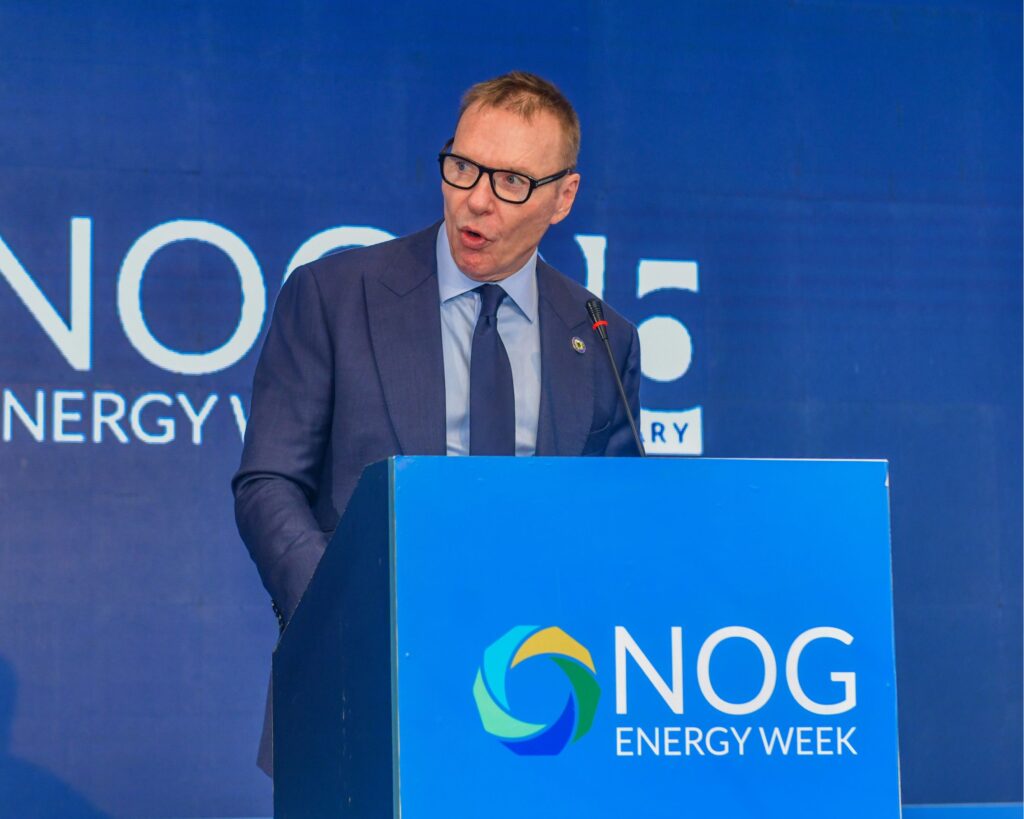
Throughout the conference, discussions centered on the critical role of energy in national development, industrialization, and economic transformation.
Key themes included:
- Increasing crude oil and natural gas production
- Expanding gas-to-power and gas-based industrial development
- Deepwater investment opportunities
- Energy transition and decarbonization
- Financing large-scale energy projects
- Digital transformation in energy operations
- Infrastructure modernization
- Nigerian content development
- Regional energy integration and export competitiveness
Speakers emphasized that Nigeria’s energy future must balance energy security, affordability, sustainability, and economic growth, with natural gas positioned as a major driver of industrial expansion and regional energy leadership.
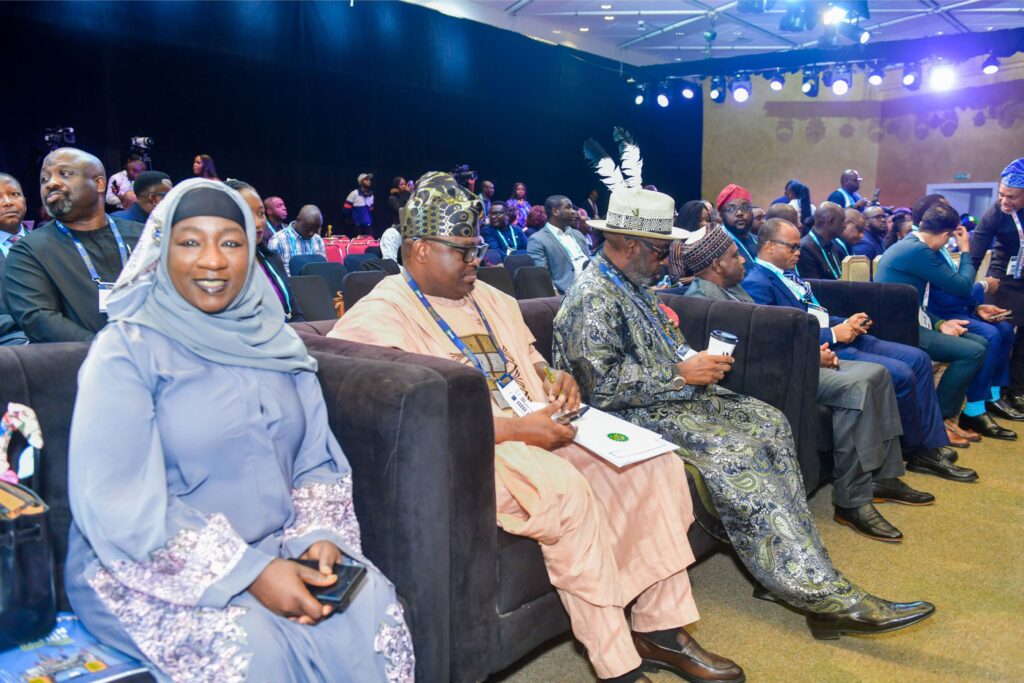
ExxonMobil’s $1 billion Usan Infill Project highlights investment momentum
One of the major announcements during the conference was the commencement of the US$1 billion Usan Infill Project, led by ExxonMobil Nigeria and its partners.
The project is expected to unlock approximately 40,000 barrels per day of additional deepwater production, contributing significantly to Nigeria’s short-term production growth objectives and demonstrating renewed confidence in the country’s offshore investment environment.
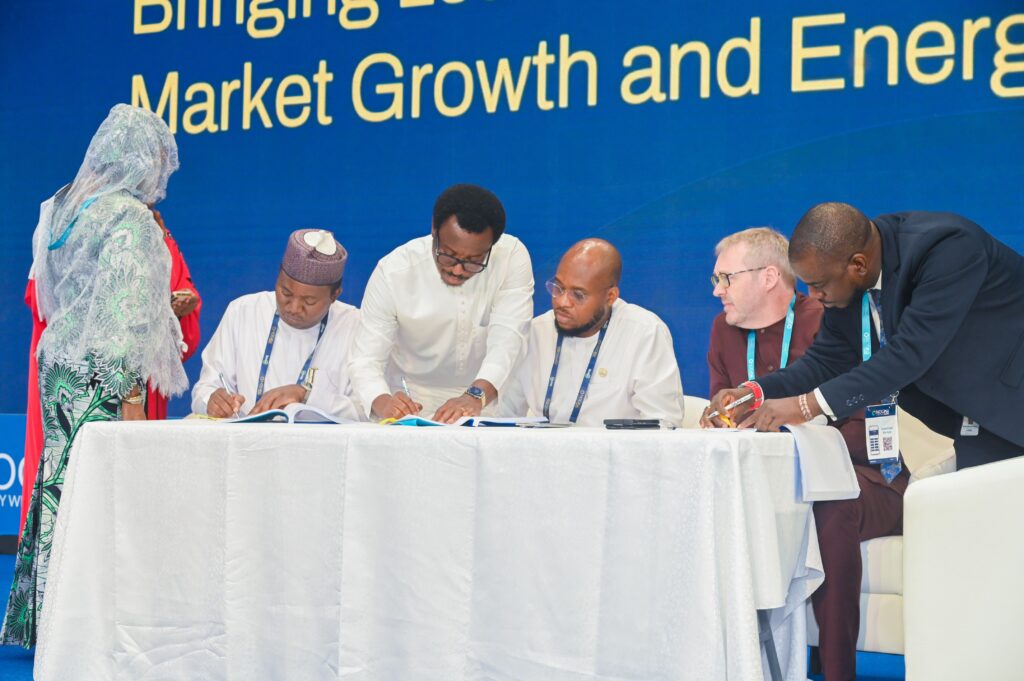
The announcement was widely regarded as one of the conference’s most important investment milestones and a strong indicator of continued international commitment to Nigeria’s upstream sector.
Government and regulatory engagement
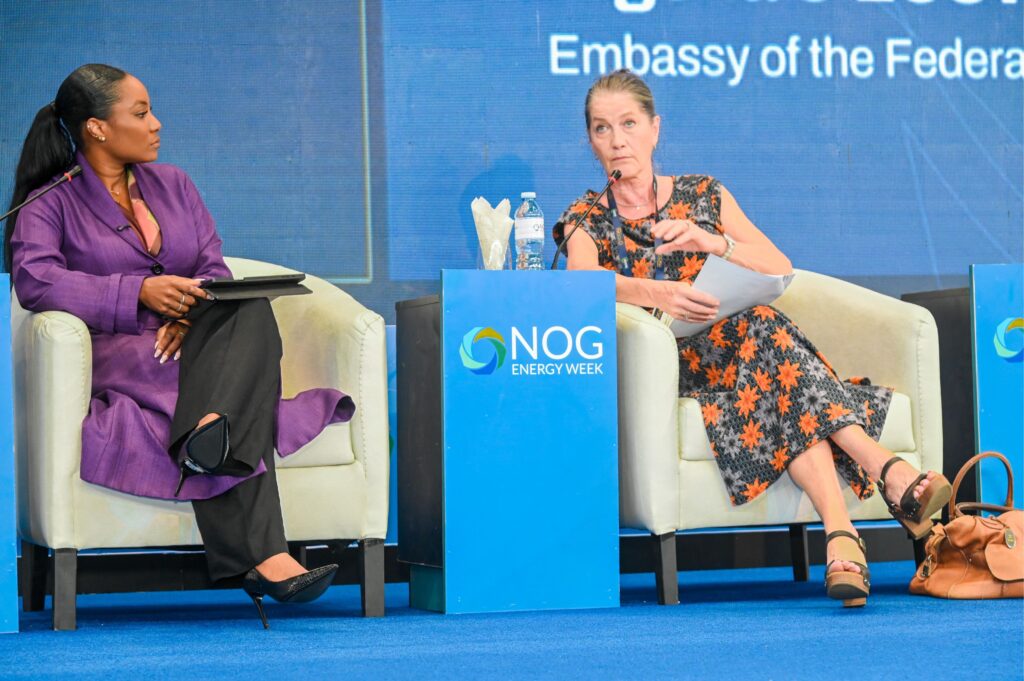
NOG Energy Week 2026 provided a high-level platform for engagement between government policymakers, regulatory agencies, and industry stakeholders.
Participants reviewed the implementation of the Petroleum Industry Act (PIA), licensing developments, production optimization strategies, fiscal competitiveness, gas commercialization frameworks, and measures aimed at improving investment certainty.
Regulators reiterated their commitment to:

- enhancing transparency,
- improving regulatory efficiency,
- accelerating project approvals,
- attracting upstream investment,
- promoting responsible resource development, and
- strengthening collaboration with industry operators.
The conference reinforced the importance of stable policies and regulatory certainty in attracting long-term capital into Nigeria’s energy sector.
Nigerian content and indigenous participation
A major highlight of the event was the continued emphasis on Nigerian content development and indigenous capacity expansion.
Discussions focused on increasing local participation in engineering, fabrication, procurement, manufacturing, technology deployment, and project execution.
Indigenous operators showcased significant achievements in production growth, asset development, innovation, and operational excellence, reflecting the increasing maturity of Nigerian-owned energy companies.
Stakeholders stressed that local capacity development remains essential for sustainable industry growth, job creation, technology transfer, and long-term national value retention.
Technology, innovation, and digital transformation
The international exhibition demonstrated the growing influence of technology in the transformation of Nigeria’s energy industry.
Exhibitors presented innovations in:
- digital oilfield solutions,
- artificial intelligence applications,
- automation,
- drilling technologies,
- subsea systems,
- emissions management,
- gas processing,
- renewable integration,
- predictive maintenance,
- data analytics, and
- energy infrastructure optimization.
Industry experts noted that digital transformation is becoming a critical driver of operational efficiency, cost reduction, safety improvement, and environmental performance.
Sustainability and the energy transition agenda

Energy transition remained one of the defining themes of NOG Energy Week 2026.
While reaffirming the continued importance of oil and gas to Nigeria’s economy, speakers highlighted the need for:
- lower-carbon energy solutions,
- methane reduction initiatives,
- carbon management strategies,
- cleaner industrial energy systems,
- renewable energy integration,
- energy efficiency improvements, and
- sustainable financing mechanisms.
Natural gas was consistently presented as Nigeria’s primary transition fuel, capable of supporting power generation, industrial development, fertilizer production, and export competitiveness while reducing reliance on higher-emission fuels.
Recognition of industry excellence
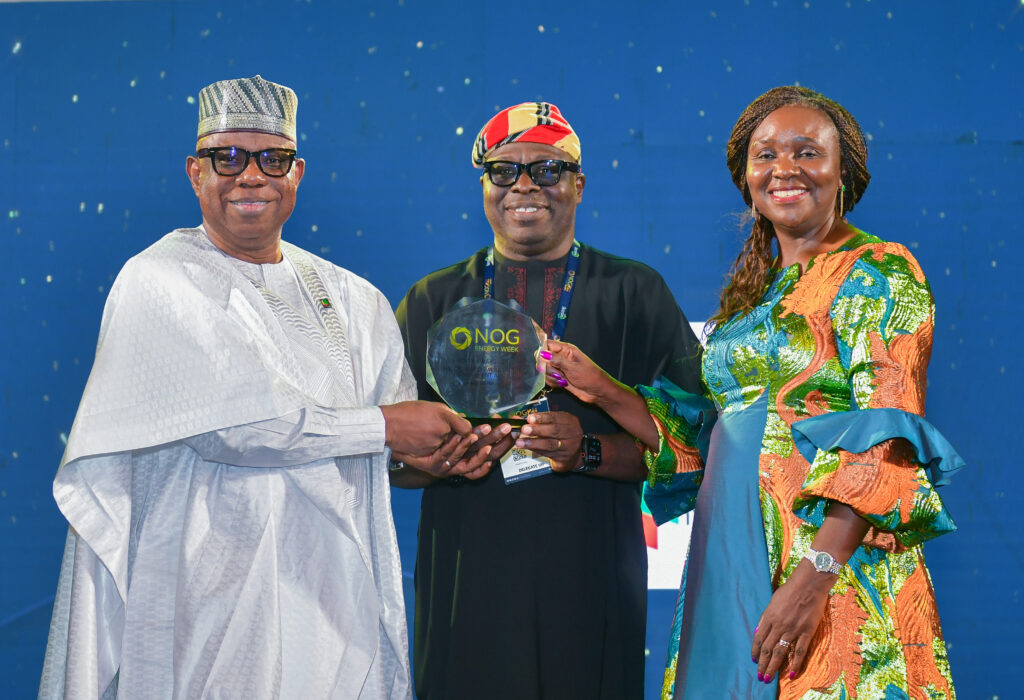
The NOG Energy Awards 2026 celebrated organizations and individuals who have demonstrated exceptional leadership, innovation, operational performance, safety standards, and industry contribution.
Among the notable recognitions:
- NLNG received the Operational Excellence Award, reflecting its strong performance in safety, reliability, and operational efficiency.
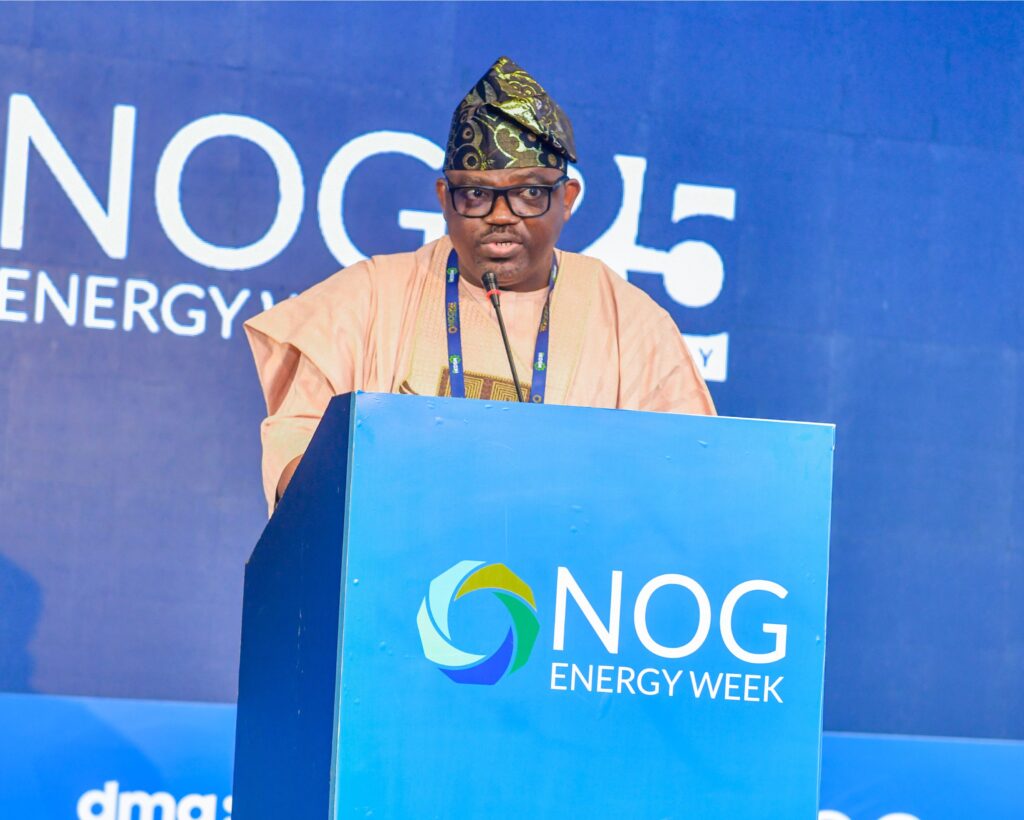
- Aradel Holdings Plc received the Energy Excellence Award, while its Managing Director/Chief Executive Officer, Adegbite Falade, was honored with the H.E. Dr. Alirio Parra Lifetime Achievement Award for outstanding leadership and long-term contributions to Nigeria’s energy industry.

The conference attracted strong international participation from energy companies, investors, diplomatic representatives, service providers, financial institutions, and technology firms across Africa, Europe, the Middle East, Asia, and the America
Reported by: AGTV Magazine Energy & Business Desk
Photo Credit: Amicable Aluu / AGTV Magazine