By Mr. Ademola Adeyemi-Bero
Nigeria’s Governor for OPEC and Managing Director/Chief Executive Officer, First Exploration & Petroleum Development Company Limited
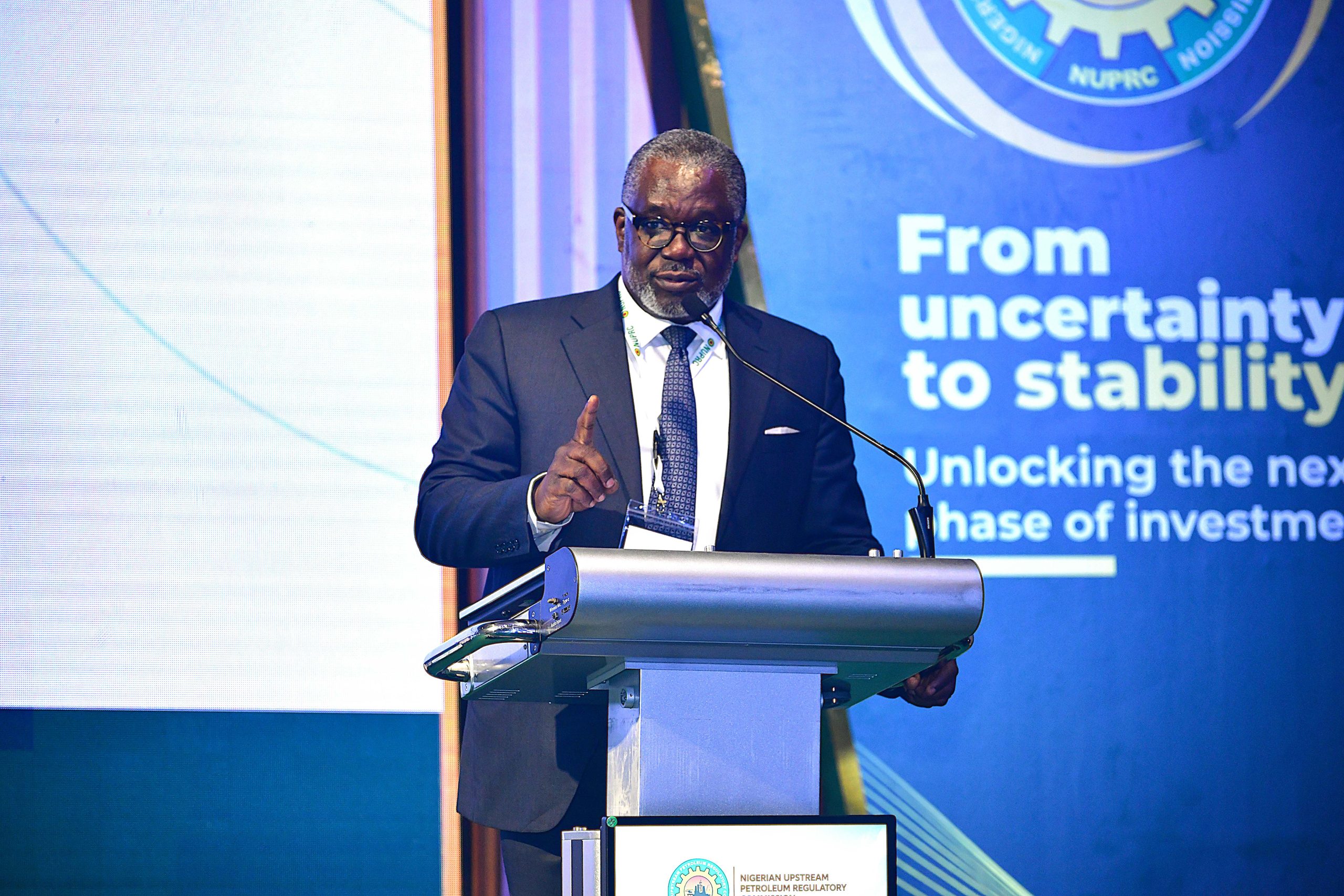
At the 5th Anniversary of the Nigerian Upstream Petroleum Regulatory Commission (NUPRC)

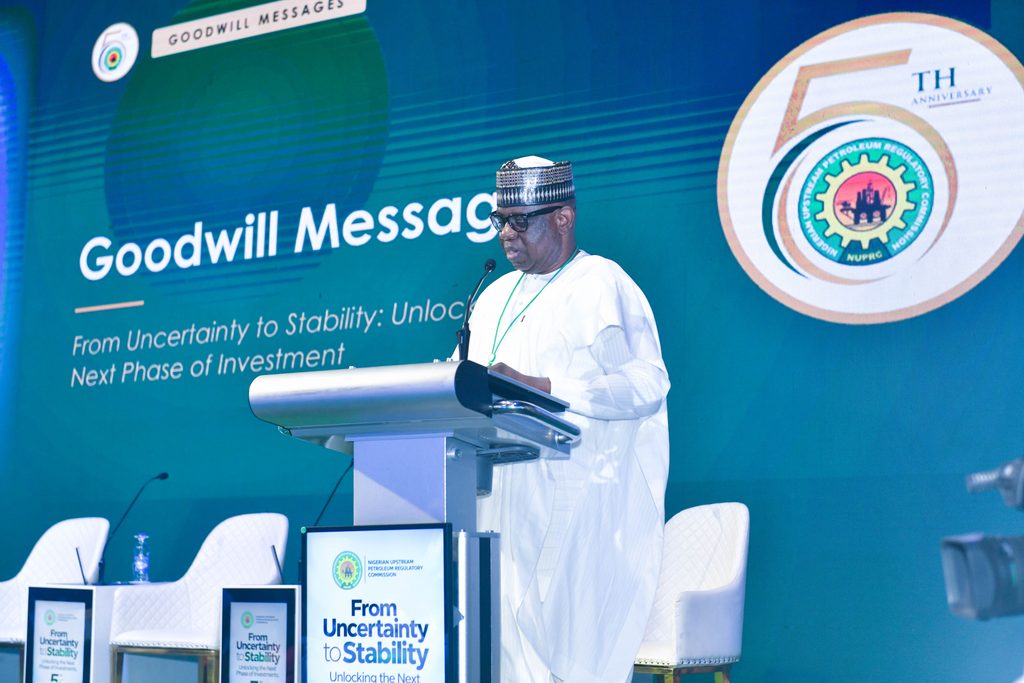
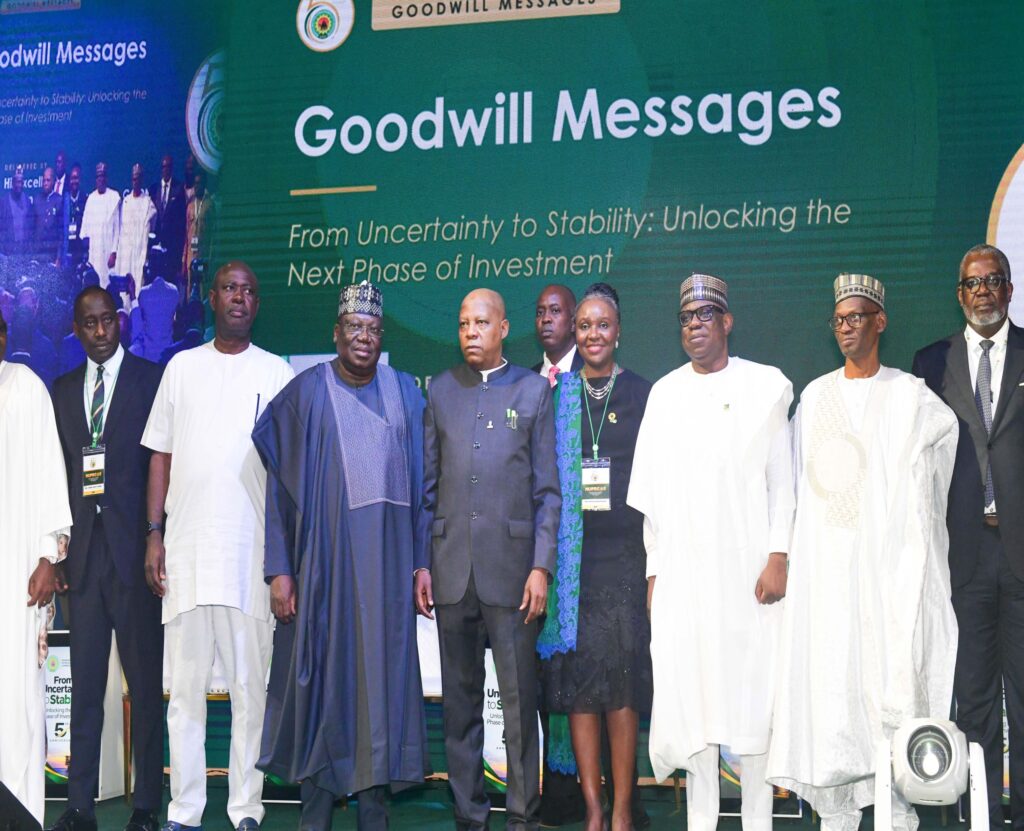
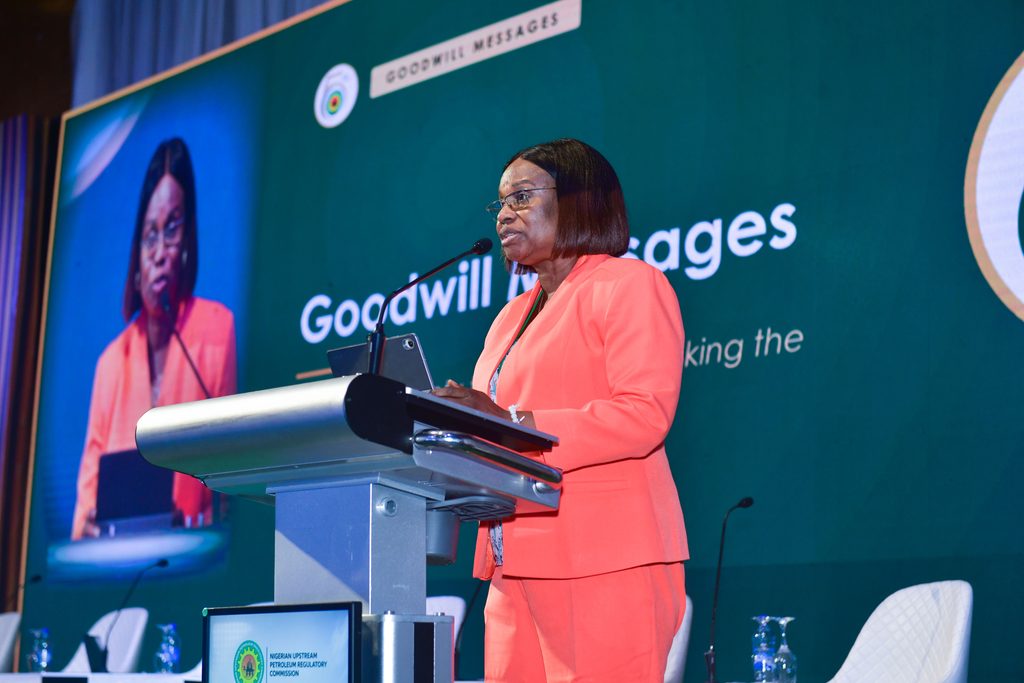
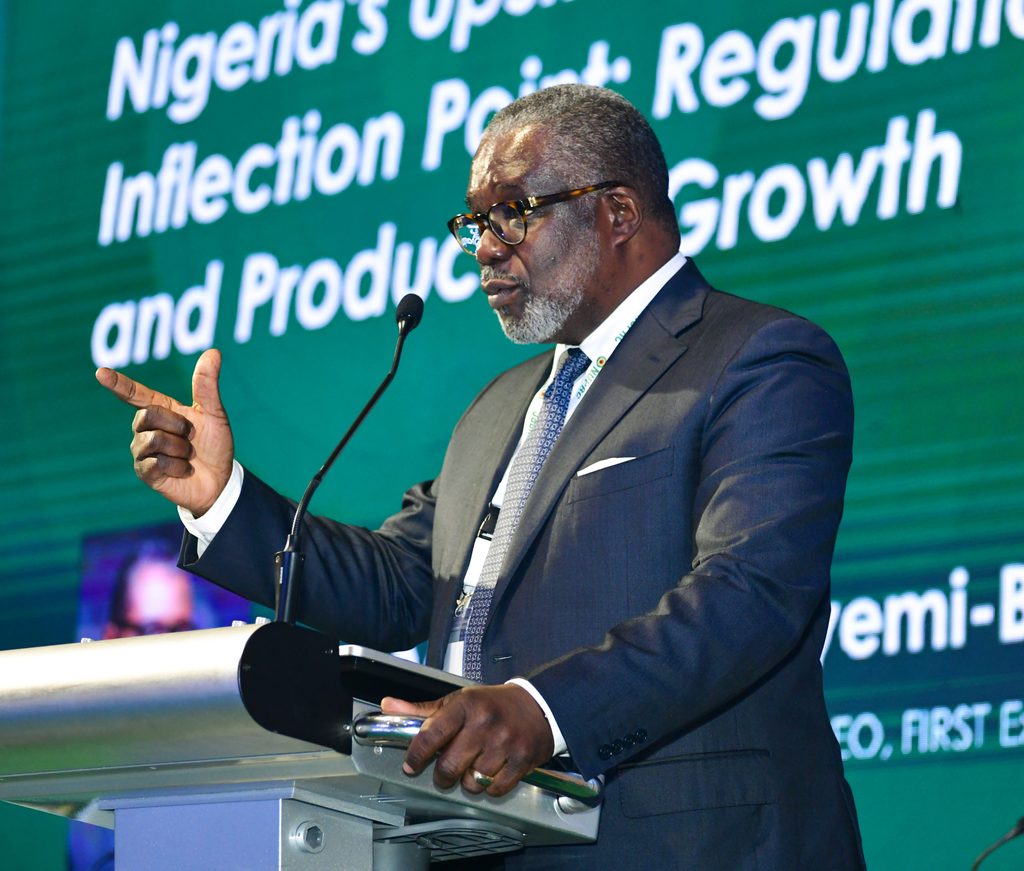
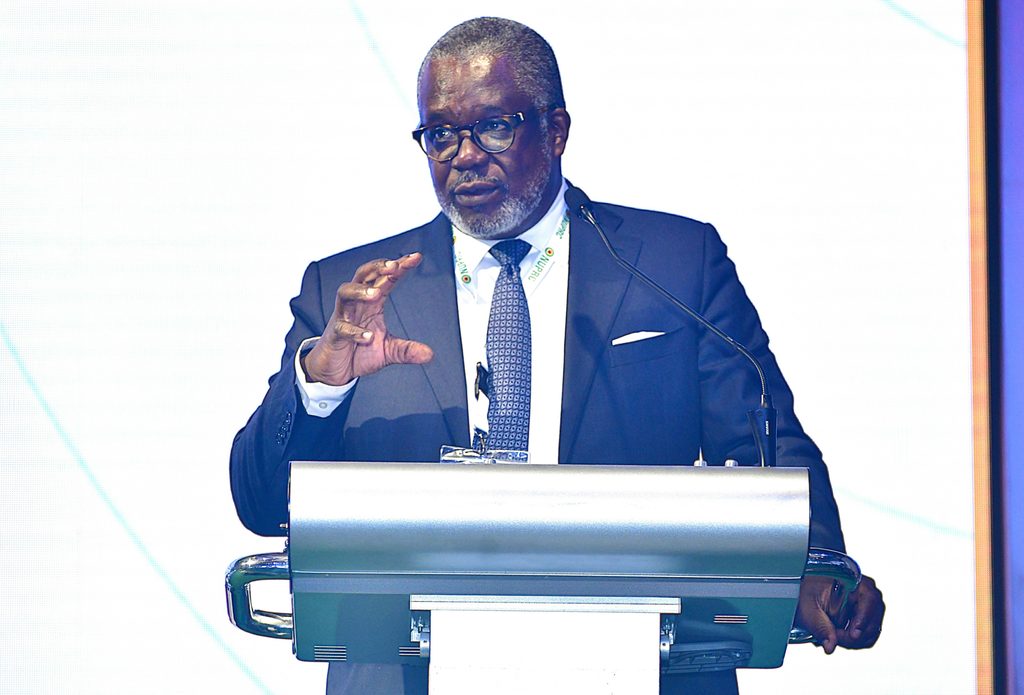
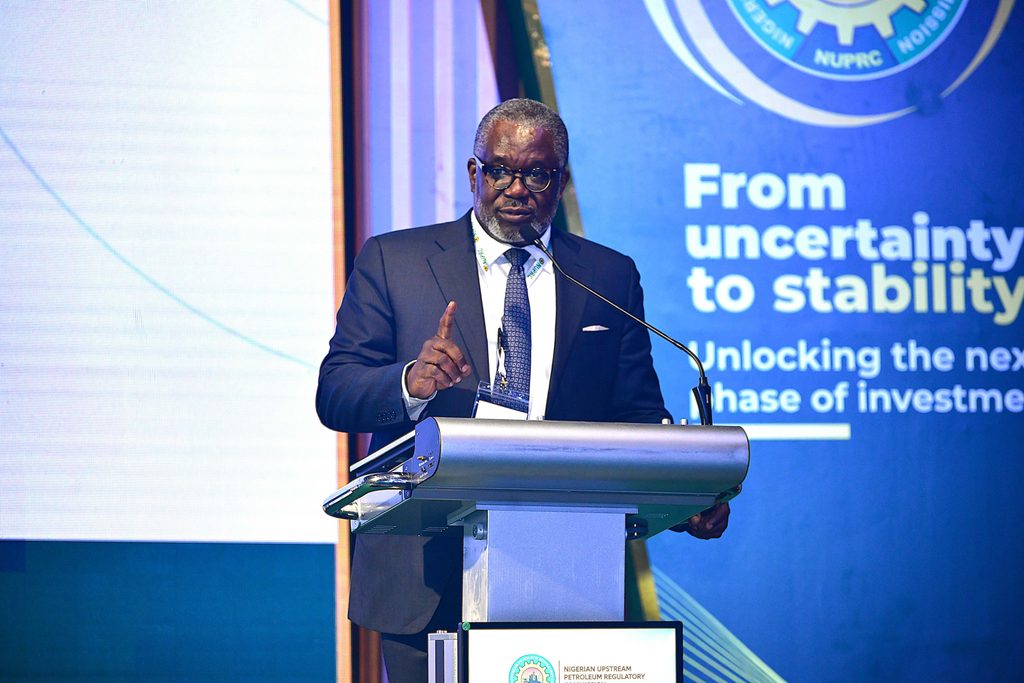
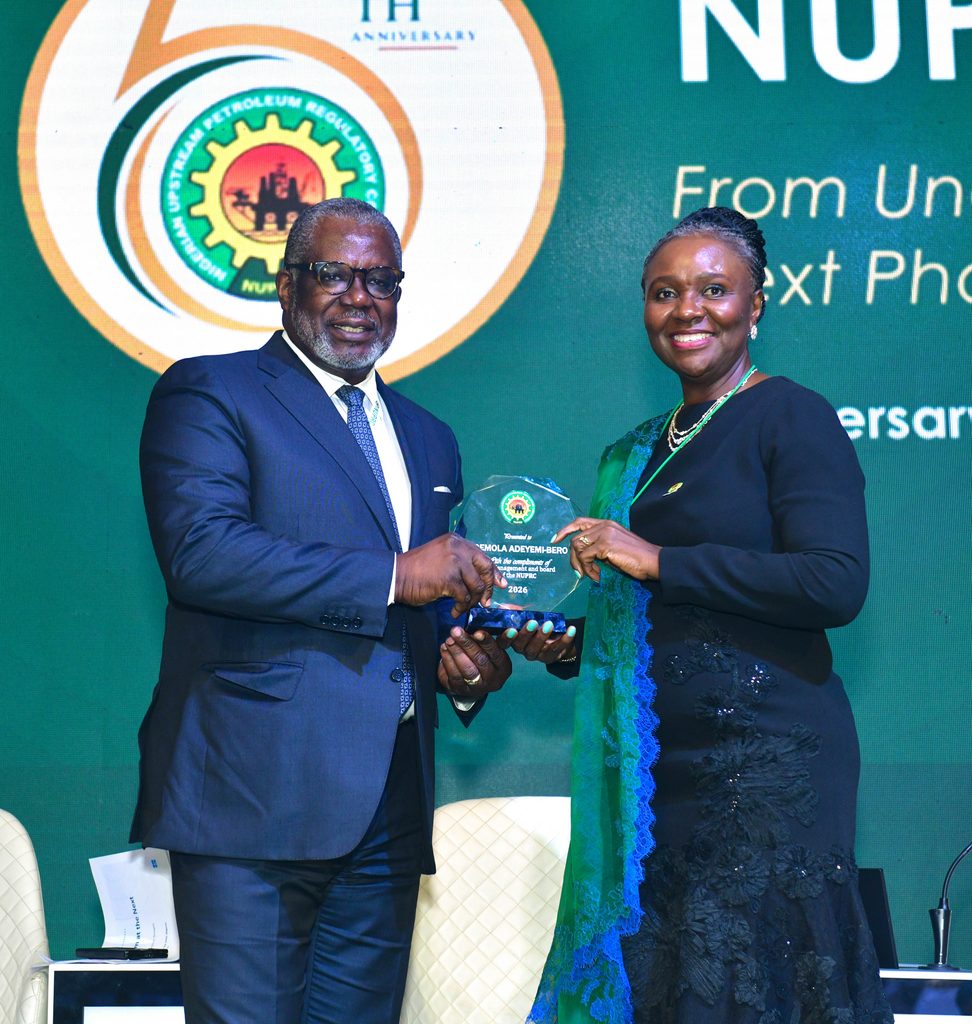
At the fifth anniversary celebration of the Nigerian Upstream Petroleum Regulatory Commission (NUPRC), Mr. Ademola Adeyemi-Bero, Nigeria’s Governor for the Organisation of the Petroleum Exporting Countries (OPEC) and Managing Director/Chief Executive Officer of First Exploration & Petroleum Development Company Limited, delivered a lecture titled “Nigeria’s Upstream at the Next Inflection Point: Regulation, Investment and Production Growth.”
In his presentation, Adeyemi-Bero identified major developments in the global energy market and Nigeria’s petroleum industry as critical turning points that could reshape the country’s economic future. He highlighted disruptions to global oil and gas supply, the growing strategic importance of the Atlantic Basin, Nigeria’s expanding refining capacity, renewed investment commitments, digital transformation, energy transition and the need to rejuvenate the industry’s workforce.
He explained that geopolitical tensions and disruptions around the Strait of Hormuz had increased uncertainty in global energy markets, creating opportunities for alternative sources of crude oil and natural gas. According to him, Nigeria is strategically positioned to benefit from these changes, particularly through its substantial natural gas reserves, estimated in his presentation at approximately 220 trillion cubic feet (TCF).
The OPEC Governor also emphasised Nigeria’s transition from an extractive petroleum economy to a value-adding industrial economy. He cited the expansion of domestic refining capacity, particularly the Dangote Refinery and other refinery projects, as evidence of the changing landscape. He noted that the capacity to refine crude oil locally and supply petroleum products to international markets demonstrates Nigeria’s potential to become a more influential player in the global energy value chain.
On natural gas development, Adeyemi-Bero highlighted the renewed relevance of the Atlantic Basin as international markets seek to diversify their energy supply sources. He proposed that Nigeria should aspire to expand its liquefied natural gas (LNG) capacity from the projected 30 million tonnes per annum to 60 million tonnes per annum, while ensuring adequate gas supply for domestic industries, including petrochemicals, methanol and other gas-based manufacturing activities.
Addressing investment prospects, he observed that several long-awaited upstream projects were progressing towards implementation, attributing renewed investor confidence to improvements in the regulatory environment, the Petroleum Industry Act (PIA), the work of industry stakeholders and presidential executive orders aimed at facilitating investment. He estimated that the emerging project pipeline could attract approximately $100 billion in investment, stressing the need to ensure that a substantial proportion of the expenditure generates economic benefits within Nigeria.
He further called for stronger support for indigenous oilfield service companies, particularly through improved access to financing, equipment acquisition and technical capacity development. According to him, Nigerian contractors must be adequately equipped to execute complex oil and gas projects to international standards. He stressed that investment decisions alone would not guarantee success without the local capacity required to deliver projects efficiently.

The lecture also examined the growing relationship between the energy industry and digital technology. Adeyemi-Bero noted that data centres and other technology-driven businesses would require reliable and affordable electricity, creating additional opportunities for Nigeria’s natural gas resources. He advocated a balanced energy transition that combines natural gas with renewable energy sources, while prioritising gas-flaring reduction and more efficient energy utilisation.

On workforce development, he expressed concern about the ageing workforce in the petroleum industry and called for greater participation by young Nigerians through education, technical training and skills development. He emphasised that the country must prepare the next generation of professionals to take advantage of emerging opportunities across the energy value chain.
Turning to regulation, investment and production growth, Adeyemi-Bero underscored the importance of effective regulatory institutions, including the NUPRC and other relevant agencies responsible for petroleum operations and local content development. He maintained that transparent, consistent and efficient regulation would be essential to sustaining investor confidence and accelerating project delivery.

He also highlighted the scale of investment required to increase Nigeria’s oil production from current levels towards the national ambition of three million barrels per day, alongside a gas production target of 12 billion cubic feet per day. He called for sustained capital investment, improved project execution and continued collaboration among regulators, operators, service companies and government institutions.

In conclusion, Adeyemi-Bero described the current period as a significant opportunity for Nigeria’s petroleum industry, noting that favourable global market developments, domestic refining expansion, growing gas demand and renewed upstream investments could position the country for stronger economic growth.
He urged stakeholders to act decisively, strengthen regulatory performance, deepen local participation and ensure that the benefits of new investments translate into employment, industrial development, government revenue and improved living standards for Nigerians.

The lecture concluded with a strong message that Nigeria must seize the emerging opportunities in the global energy market by combining sound regulation, sustained investment, production growth and domestic value retention to build a more competitive and sustainable petroleum industry.
Amicable Aluu Reporting from AGTV/magazine

CONTACT AGTV/ Magazine
For your photography, videography. 360 Camera boot & all multimedia services: Live Streaming, Drone flying ,LED screen Renting , Event Management, Lighting, DJ Sound,.printing & Branding Call +2348084961511 +2348037987218.
We are Open for Business with You!