Subsidy vs VAT Relief: Choosing the Right Cushion in Nigeria’s Deregulated Downstream Market
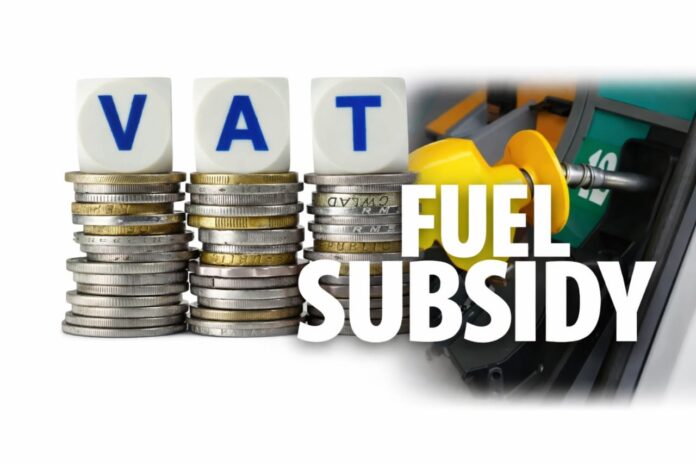
As petrol price volatility persists in Nigeria’s liberalizing downstream petroleum sector, public pressure for the return of fuel subsidy and the introduction of price ceilings is intensifying. While the hardship concerns are legitimate, a return to subsidy is neither fiscally sustainable nor compatible with the competitive market framework envisaged under the Petroleum Industry Act (PIA).
Historically, fuel subsidy in Nigeria has imposed an enormous fiscal burden. In recent years, annual subsidy costs were estimated in the range of ₦4 trillion to over ₦6 trillion, at times exceeding federal spending on health, education, and infrastructure combined. Beyond the direct fiscal drain, subsidy regimes have also been associated with supply distortions, arbitrage opportunities, smuggling incentives, and underinvestment in domestic refining and logistics.
In contrast, a temporary VAT suspension on essential goods and energy products would represent a more targeted and transparent relief mechanism. Nigeria’s VAT rate is currently 7.5%, and VAT contributes roughly 15–20% of federally collectible non-oil revenue. A six-month suspension on selected necessity items would imply manageable revenue foregone, significantly lower than the historical cost of universal fuel subsidy.
For illustration, even if VAT collections average about ₦3–₦4 trillion annually, a partial and time-bound exemption focused on food, transport energy, and basic services could reduce revenue by a fraction of subsidy-era expenditures, while still preserving market-based fuel pricing signals.
Such an approach would:
- Provide broad consumer relief without distorting petroleum market competition
- Reduce inflationary pressure on household consumption baskets
- Avoid crowding out public investment and increasing fiscal deficits
- Support the transition toward domestic refining, logistics investment, and supply resilience
Nigeria’s policy challenge today is not whether to cushion citizens — it is how to cushion smartly. Subsidy recreates structural inefficiencies; VAT relief offers temporary social protection without reversing reform momentum.
In a volatile global energy environment, the sustainability of downstream reform will depend on policy consistency, fiscal discipline, and targeted economic empathy.